
Photos provided by Isha Mogul
Isha Mogul is the founder and creative director of ISHUE (@ishueofficial on Instagram), a womenswear brand she considers an ode to femininity in its purest form. ISHUE is a timeless series of editorial issues where each collection has a story of its own. It is a brand made in India and inspired by Paris. I interviewed Isha on my radio show, Pita Chip Chat, which airs every Friday of Spring Quarter 2026 at 5 p.m. on uclaradio.com. To listen to the interview in full, check out @andmore.archive on Instagram, where all show updates and previous recordings are posted.
—
This interview was conducted by Ava Bozic on November 18, 2025. This interview has been edited for clarity and brevity.
Ava Bozic: Isha, thank you so much for joining me today.
Isha Mogul: Thank you so much for having me. I am so glad to do this.
Ava: Just to get started, I want to get a sense of your history. Can you tell me about your background in fashion and if this is something you always wanted to go into?
Isha: Honestly, I think from as far back as I can remember, I have always wanted to be in the fashion industry. I know that sounds cliché — a lot of people feel that way — but I always knew that I wanted to be in this space specifically. Over the years, I dabbled in different areas and departments, but I always knew I wanted to have my own brand, so I decided to study fashion for that reason. I did my undergraduate at NYU, where I earned a bachelor’s in fashion business management. After that, I completed my Master’s in Paris at Institut Français de la Mode, specializing in International Fashion and Luxury Management. Both of these degrees really helped me gain a holistic, diverse understanding of different cultures, including my own from India. That global overview really helped in shaping the identity of my brand and my perspective in general.
Ava: You have had experience in many different areas, including the business side, luxury, styling, and even journalism. What did you gain from these programs that helped you build your confidence in building a brand?
Isha: I consciously made the effort to try out all the different departments through my work experience and college because I knew that to build a brand, I would need expertise in almost every single department. My education is what really helped me. At NYU, I got a more liberal, creative understanding of the history and culture of fashion and the reasoning behind style. For my Master’s, I really understood the business side, like finances and supply chains. Both courses helped develop the creative and business sides — a very strong example of “left-brain, right-brain.” They gave me a better perspective on how to build a brand.
Ava: I find it really interesting that you have done such extensive studies in fashion, as it is not necessarily something you have to go to school for. I think those studies apply to what you are doing now in ways you might not have even expected. You are from Mumbai, right? Since you are used to a big city, in what ways did New York and Paris — both fashion capitals — particularly inspire you? Especially Paris, as your brand mentions it.
Isha: Both impacted me in different ways. I was only 18 when I went to New York, so I was super impressionable. My journey there was about self-discovery; I learned what I liked without being influenced by trends and started to develop my own sense of identity in terms of style. Streetwear was really happening around 2019–2020, and while I knew I was interested in fashion, I loved seeing so many different styles and perspectives in New York. But Paris is truly what resonated with me. That is where I felt most like myself in terms of style, identity, and timeless silhouettes. It inspired the true value of quality craftsmanship and creating something that lasts beyond trends — something you can keep in your wardrobe for the longest time possible.
Ava: That makes a lot of sense. In Paris, there is such an emphasis on quality and longevity, which I also align with. There is such a world now of fast fashion and poor-quality items made just to get trends on the shelf. When we are young, we easily fall into trends to be like everyone else, but then you realize your own personal style. It makes sense that Paris offered that for you. Regarding solidifying your brand, I have seen it described on Instagram with words like occasion wear, editorial, slow fashion, and luxury. How did you decide on a concept? How long did it take, and where do you even start?
Isha: It has been a crazy journey. I don’t think you necessarily have to go to fashion school; it is something that can come naturally. For me, it took a couple of months to truly identify what would set ISHUE apart. I did not want it to be just another new brand since so many launch every week. I decided the main USP [Unique Selling Proposition] would be the editorial issues, which is where the brand name comes from. I wanted each collection to have a very thematic tone, a strong story, and a specific emotion, much like a curated magazine issue. The first thing I would tell anyone starting out is to identify your niche first.
Ava: That is a smart format because you don’t run out of ideas as easily if you start with an emotion. It feels like a more quality way to release fewer pieces at a time. It reminds me of how fashion shows work, telling a story within a collection. As far as the designing, are you doing that all yourself?
Isha: Our first collection is seven styles, primarily a small debut capsule collection. I designed the pieces myself in terms of the color story and visual idea. However, you eventually need to know about things like measurements, tech packs, and sizing, which is the crux of the brand. I used YouTube and online courses to help me. India has a great network of tailors and craftsmen, so I sat with them with my designs and rough sketches. I worked closely with them to understand the Indian and global body types to create our measurement guidelines and charts. I could not have done it by myself; their help was essential.
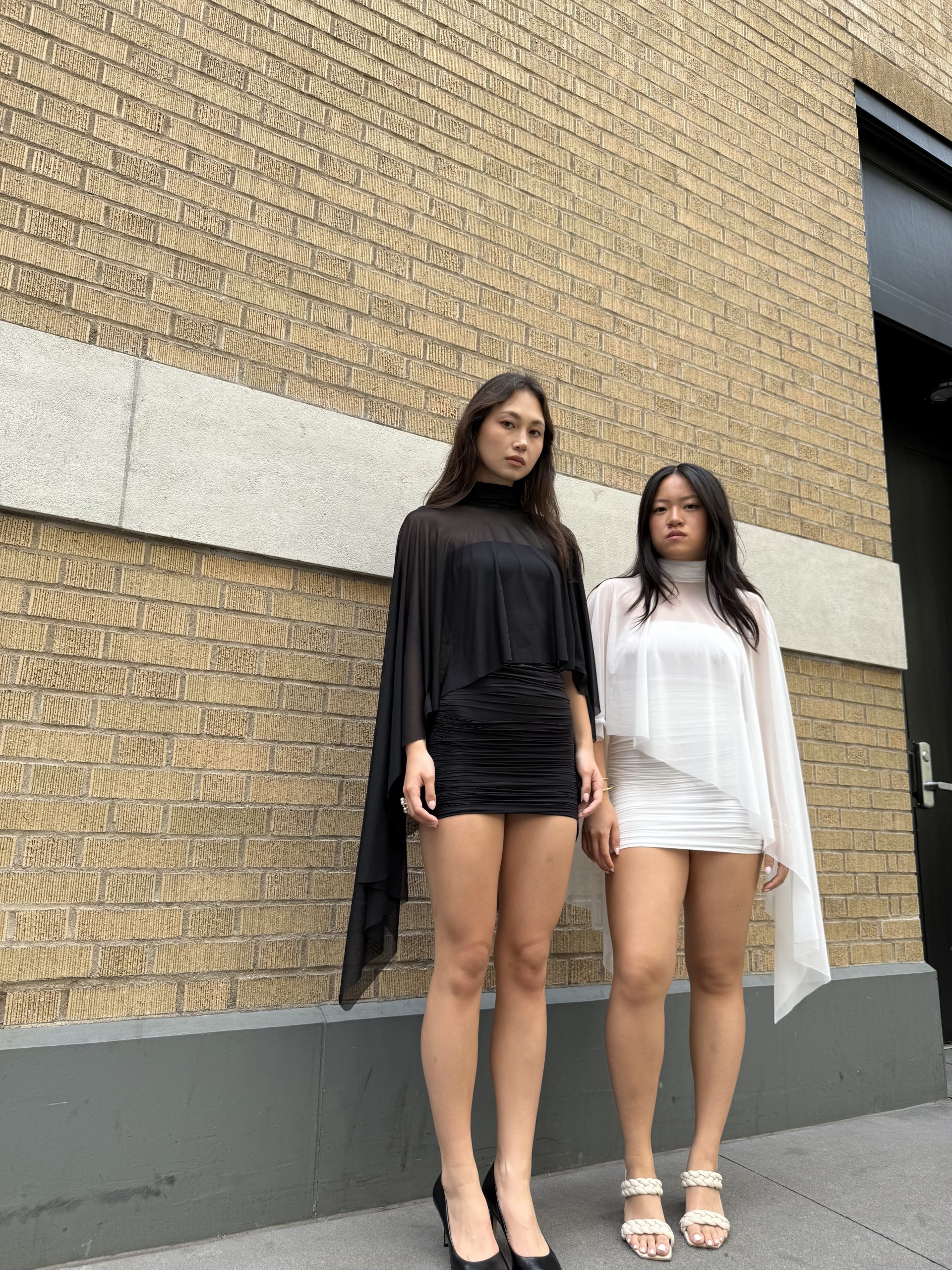
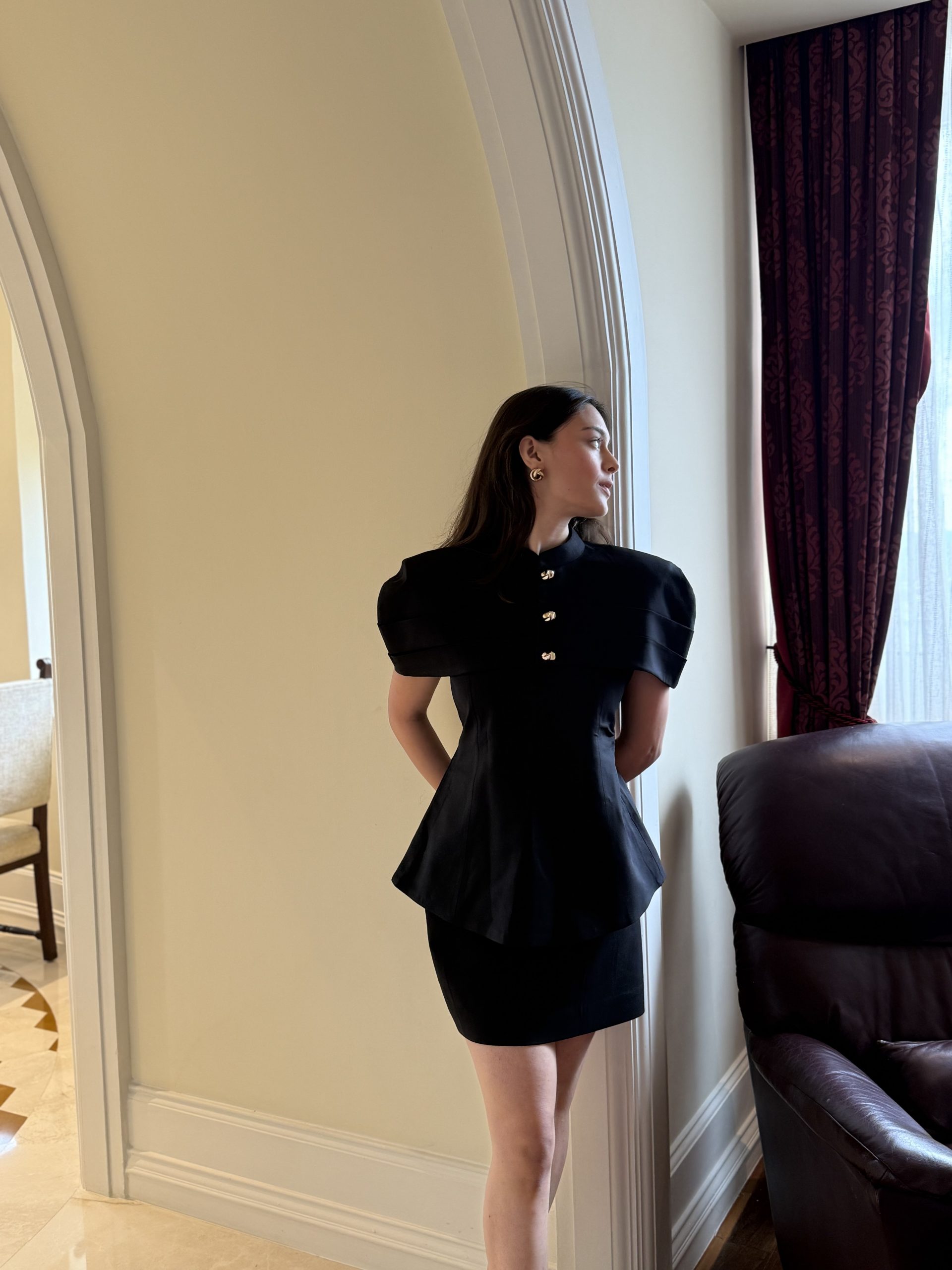
Ava: I love that you are considering the actual body types of real women. I have seen glimpses of the designs, and they are so beautiful. I love the flowing, airy fabrics and the marketing. I can tell you already have a clear idea of what you want the brand to look like, and I am so impressed. I saw the designs and am like, “I want that!” [Both laugh] Why is there this emphasis on femininity and these specific fabrics? Is it just your personal style, or is there a reason it matters to you?
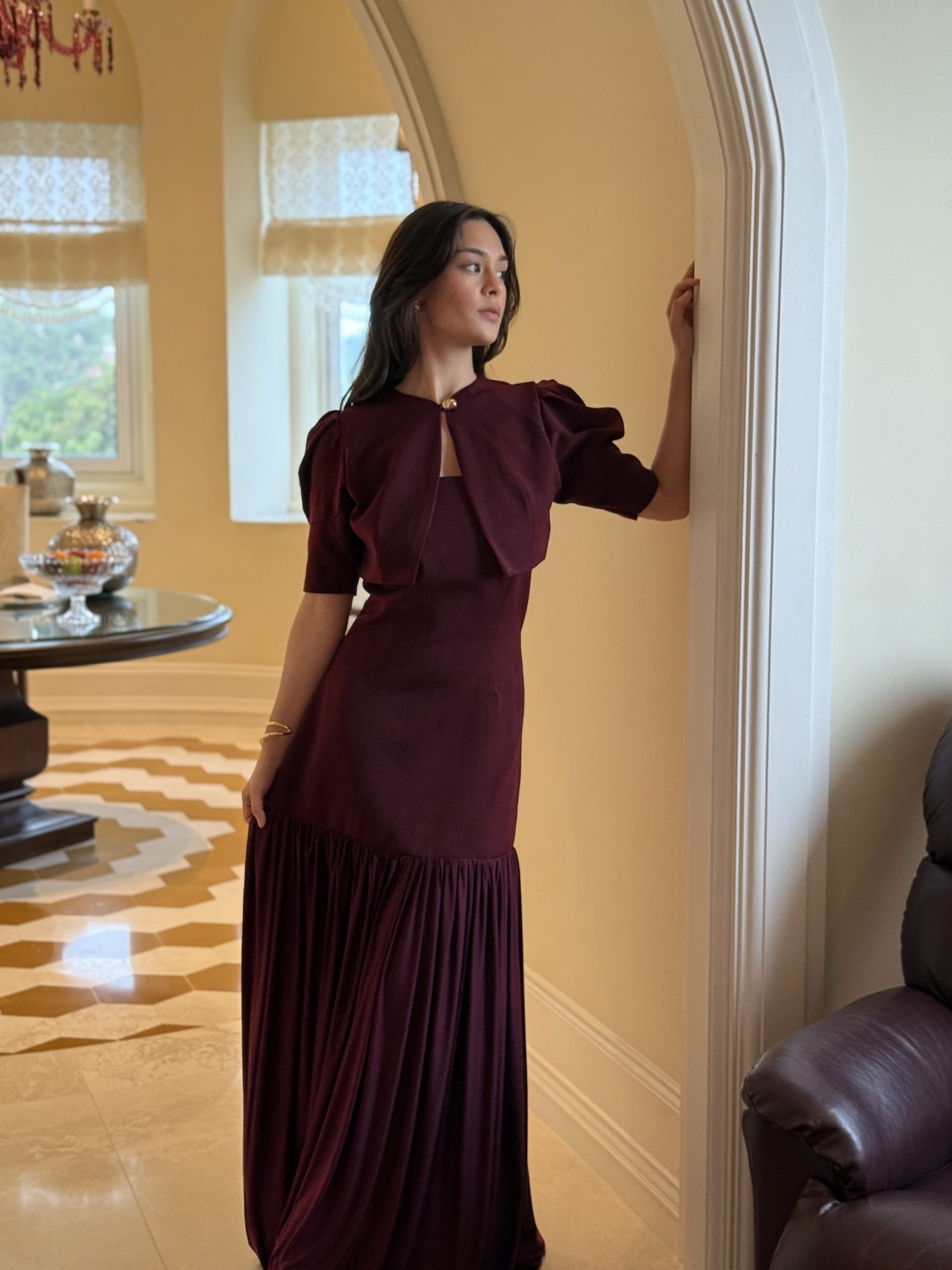
Isha: I grew tired of seeing brands trying to redefine what femininity is through clothing, especially now that everything is getting more contemporary and digital. I wanted to embrace femininity for what it was historically, using things like corsets and romantic colors like burgundy, white, and black. I didn’t want to redefine or change anything; I wanted ISHUE to embrace it in its purest form so it’s simple for women to feel aligned to that style.
Ava: That aligns with the desire for pieces someone keeps in their closet forever. Polarizing pieces aren’t reached for as often, but these are pieces people can genuinely wear constantly. Regarding your background, how does being from India intersect with your experiences in New York and Paris within the brand?
Isha: India plays a huge role because everything is made in India. We work on a pre-order/made-to-order model, which helps us retain quality control and ensures the quality is up to mark. It also lets me work closely with Indian craftsmen. Their take on how a silhouette should be made is very interesting. I also did a study abroad program in London for a few months, which impacted me because London’s style is very refined, minimal, and muted. All these cities have lent a personality to ISHUE; I have taken the traits that stood out the most and blended them together.
Ava: I know the name “ISHUE” came from the editorial issues, but you spell it with an “ISH.” Is that because of your name?
Isha: Yeah, a little bit. I wondered if I should name the brand after myself, but I wanted to build something that outlasts everything and is here to stay. I wanted something to do with my name but with a deeper meaning, and the mix worked.
Ava: That is smart for searchability. I recently found a brand named something generic like “Fashion Store,” and you can’t find that at all. [Both laugh]
Sourcing materials, designing, and talking to artisans sounds like such an exciting day-to-day life. How fun is this process?
Isha: It is exciting but also mentally challenging, especially the sourcing of fabrics, because India has so many options. It can be overwhelming to select and sample; if it doesn’t turn out well, you have to reselect and re-sample. Sampling definitely took the longest because of the trial and error. I threw myself into this right after my Master’s, and it has been an exciting, overwhelming, and happy journey overall.
Ava: It makes sense that sourcing is a lot of back and forth, especially when your name is tied to it. You’ve mentioned slow fashion, quality, and classic pieces — the idea that “less is more.” Can you tell me more about your emphasis on sustainability?
Isha: Sustainability is something we have spoken about for a long time, and I think it is sometimes misused for marketing. I am not trying to say we are “sustainable” this or that; I am saying we use good quality fabrics and have high attention to detail in tailoring, and that in itself is sustainable. The customer can feel the fabric, quality, and intention, and they know the brand values ethical practices. The industry is improving in terms of intentionality, but there is still a long way to go to change the narrative.
Ava: I agree. There is something to be said for incorporating sustainability by choosing things that last and then taking care of those items. In a world of quick fashion, there is a lost art of taking care of things. It’s hard to know when you’re getting a quality item because things can be highly priced but be 100% polyester and fall apart. People will really align with your idea. Are there any specific designers or brands you look up to?
Isha: Internationally, I love Zimmermann for their aesthetic and The Row for their minimalism and muted aesthetic. In terms of Indian brands, there is one called Lovebirds Studio. They are super fun and creative, and I admire their storytelling and experience-based design. The Indian market is buzzing right now with new designers and homegrown brands, so I am always on the lookout at exhibitions and pop-ups.
Ava: Your marketing and visuals are already doing a great job at establishing the brand. Are those images all things you have been a part of?
Isha: All the images are taken by me or a photographer I work with closely. The main idea is to keep everything aligned with the color palette and overall mood. I took some photos with a friend at the Opera in Paris on my phone, and others were taken here in Mumbai.
Ava: It is all so well done.
What has been the most challenging or surprising part of this whole process — designing the website, sourcing fabrics, or something else?
Isha: The designing part was the most challenging because it is a creative decision. You have all these ideas, but the trickiest and most effective part is actually editing the collection. It shouldn’t just be about what I like, but what the client would want to keep in their wardrobe forever. It’s easy to get carried away, but you have to put yourself in their shoes.
Ava: I imagine you had designs you had to leave behind temporarily to keep the first launch cohesive.
Isha: Yes, I had ideas for many different fabrics, but I learned that for a debut collection, it is better to work with a couple of fabrics, get them right, and then build from there.
Ava: Is there anything else you want to share about your brand?
Isha: This has been built with a lot of thought and intention. I am just excited for people to finally see it. These are pieces meant to be with you forever, and I hope everyone enjoys wearing them as much as I enjoyed the crazy process of bringing this vision to life.
—
Since I’ve completed this interview, her first collection has been released, shop here: ishue.co
Check ISHUE out on Instagram @ishueofficial